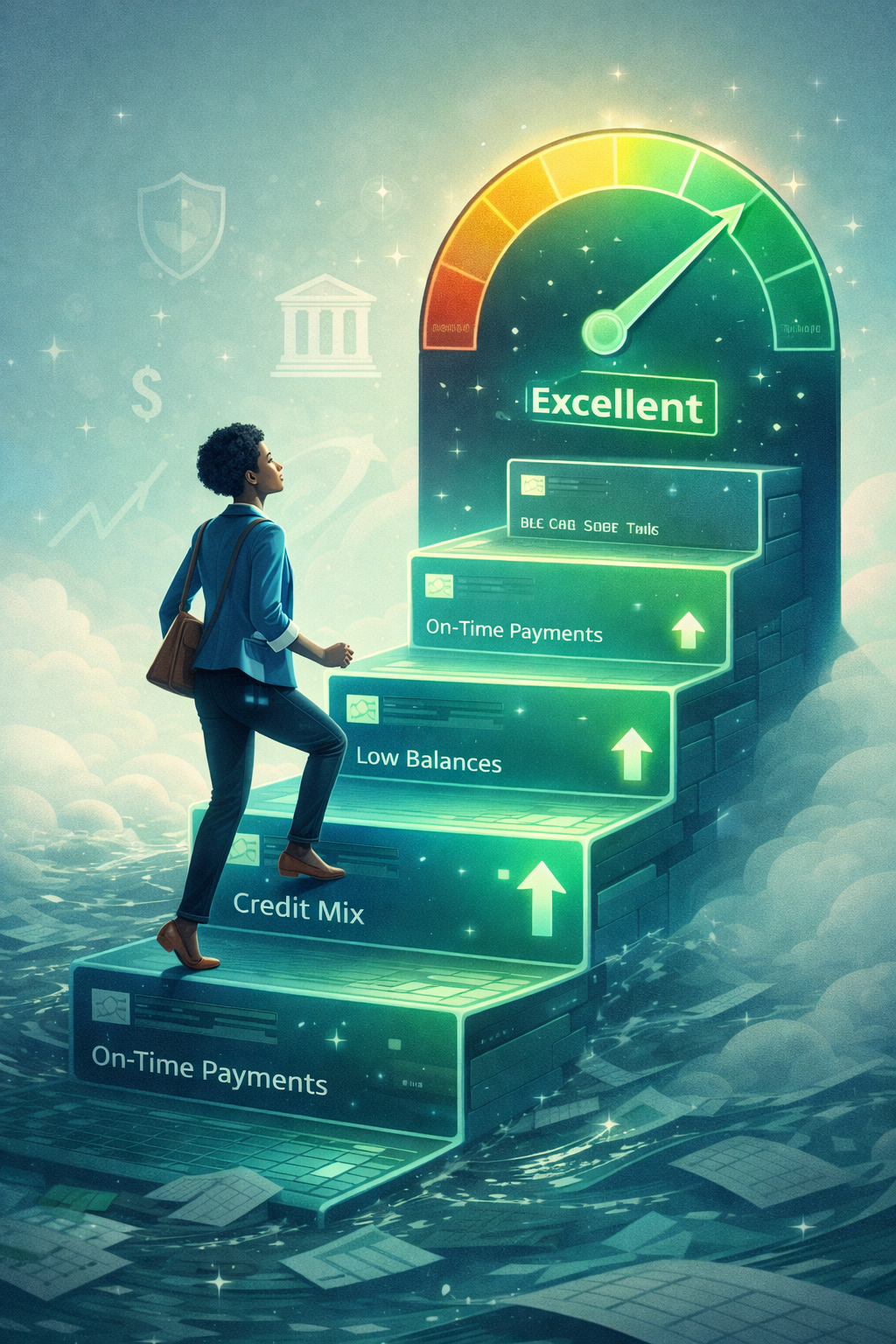
Building and maintaining a strong credit history is crucial for securing financial opportunities such as renting an apartment, getting a car loan, or qualifying for a mortgage. Your credit score reflects your ability to manage debt, and lenders use it to gauge the risk of lending you money. Whether you’re starting from scratch or rebuilding a poor score, knowing how to build credit is the first step toward financial stability.
In this comprehensive guide, we’ll cover the essential steps for building credit, highlight common pitfalls to avoid, and provide useful resources and expert advice.
What is Credit, and Why Does it Matter?
Credit is the ability to borrow money with the promise to repay it, typically with interest. Your credit score is a three-digit number (typically ranging from 300 to 850) that reflects your creditworthiness, which is how likely you are to repay borrowed money.
A good credit score can save you money over time by allowing you to secure loans and credit at better interest rates. For example, someone with a higher credit score may be offered a mortgage rate as low as 3%, while someone with poor credit might face rates upwards of 6% or more.
“Your credit score is one of the most important numbers in your life—it can affect everything from the interest rate you pay on loans to whether or not you’re approved for an apartment.” — NerdWallet
Steps to Building Credit
1. Start with a Secured Credit Card
• What It Is: A secured credit card is a type of card backed by a cash deposit you make upfront. The deposit acts as collateral in case you fail to make payments.
• Why It Works: Secured cards are a great way for those with no credit history or poor credit to begin establishing a positive credit history. Responsible use of a secured card (such as paying off the balance in full each month) can help you improve your score over time.
• Recommended Resources: Some popular options for secured credit cards include Discover it® Secured Credit Card and Capital One® Secured Mastercard®.
“A secured card is often the easiest route for people with no credit or poor credit. It gives you the chance to prove yourself as a responsible borrower.” — Bethy Hardeman, Credit Expert, Credit Karma
2. Become an Authorized User on Someone Else’s Account
• What It Is: As an authorized user, you’re added to someone else’s credit card account (typically a parent, spouse, or relative) without being responsible for making payments. The account’s credit history, including on-time payments, is reflected on your credit report.
• Why It Works: Being added as an authorized user can help you quickly build credit, especially if the primary cardholder has a positive payment history and low credit utilization. However, it’s important that the primary account holder is responsible and pays the bill on time.
• Pitfall to Avoid: Don’t rely solely on this strategy if the primary user has poor credit habits. If they miss payments, it can negatively impact your credit too.
3. Apply for a Credit Builder Loan
• What It Is: A credit builder loan is a small loan designed to help you establish credit. The loan amount is held in a bank account while you make payments over time. Once the loan is paid off, the funds are released to you, and the positive payment history is reported to the credit bureaus.
• Why It Works: Credit builder loans are an excellent option for individuals who have no credit or limited credit history. They show lenders that you are capable of repaying a loan and can help build your credit score.
• Recommended Resources: Many local banks and credit unions offer credit builder loans. Self is another online lender that offers credit builder loans with no hard credit inquiry.
4. Pay Your Bills on Time
• What It Is: Your payment history accounts for 35% of your credit score, making it the most important factor. Making timely payments on loans, credit cards, utility bills, and even rent can positively affect your credit score.
• Why It Works: Paying your bills on time is a powerful way to build a good credit score. Even one late payment can have a significant negative impact on your credit.
• Pitfall to Avoid: Missing even one payment can hurt your credit score, so it’s crucial to set up reminders or automatic payments to stay on top of your bills.
“Even if you’re not actively trying to build your credit, your payment history is still being tracked. The best way to avoid a low score is to make sure you’re always paying on time.” — John Ulzheimer, credit expert
5. Keep Your Credit Utilization Low
• What It Is: Credit utilization is the ratio of how much credit you’re using compared to your total available credit. Ideally, you should keep your credit utilization under 30%. For example, if you have a $1,000 credit limit, you should aim to carry a balance of no more than $300 at any given time.
• Why It Works: Keeping your credit utilization low signals to lenders that you are able to manage debt responsibly and aren’t over-relying on credit. This will help boost your score over time.
• Pitfall to Avoid: Using too much of your available credit—especially if you carry a balance month to month—can significantly hurt your credit score.
6. Monitor Your Credit Regularly
• What It Is: Monitoring your credit report regularly helps you stay on top of any changes, such as new accounts, late payments, or errors. You’re entitled to a free credit report from each of the three major bureaus (Experian, TransUnion, and Equifax) once per year through AnnualCreditReport.com.
• Why It Works: Regularly checking your credit allows you to detect errors or signs of fraud early. If you spot an issue, you can take steps to correct it before it impacts your credit score.
• Pitfall to Avoid: Failing to check your credit report regularly can lead to missed opportunities to correct mistakes or disputes that might negatively affect your score.
Common Pitfalls to Avoid
1. Opening Too Many Accounts Too Quickly
• Every time you apply for a new credit card, the lender will conduct a hard inquiry on your credit report. While a single hard inquiry doesn’t significantly affect your credit score, multiple inquiries in a short period can lower your score and signal to lenders that you’re desperate for credit.
2. Closing Old Accounts
• Closing old credit accounts can actually hurt your credit score. The longer your credit history, the better. Closing an old account reduces your average account age, which can negatively affect your score.
3. Ignoring Your Credit Report
• Errors, fraud, or outdated information can lower your credit score. It’s important to review your credit report regularly and dispute any inaccuracies with the credit bureau.
Resources to Help You Build Credit
• AnnualCreditReport.com: Your free, annual access to credit reports from Experian, Equifax, and TransUnion.
• Credit Karma: A free service that provides access to your credit scores and offers personalized recommendations for improving your credit.
• Self: A platform offering credit builder loans and resources for building credit.
• MyFICO: A tool for tracking your FICO score, which is one of the most commonly used credit scoring models.
Conclusion
Building credit doesn’t happen overnight, but with patience and the right strategy, it’s entirely achievable. By starting with tools like secured credit cards, credit builder loans, and responsible habits like paying bills on time, you can steadily improve your credit score. Stay vigilant, monitor your credit, and avoid common pitfalls, and you’ll be well on your way to building a strong credit history.
“Building credit is a marathon, not a sprint. If you make steady, responsible decisions, you’ll get there.” — Zoe McLellan, Credit Expert, Credit Sesame
Discover more from Financial Insights
Subscribe to get the latest posts sent to your email.